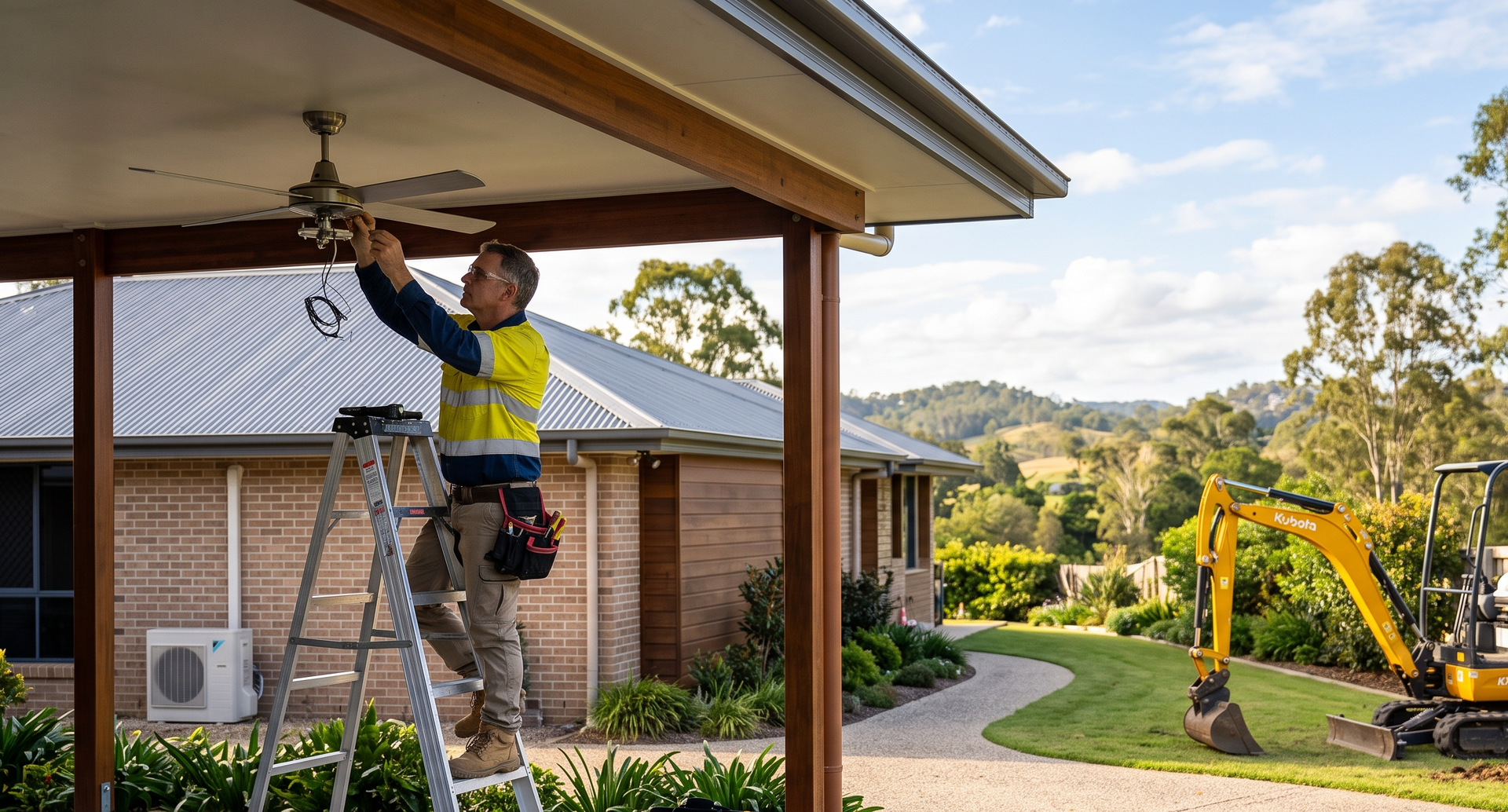
Mini excavator dry hire checklist for property projects

Mini excavator dry hire can be a practical option for trenching, landscaping, drainage preparation, and general property works when the hirer has the skills and site information needed to operate the equipment safely and efficiently. The machine may be compact, but the job still needs careful planning.
Before arranging hire, consider access, ground conditions, underground services, transport, attachments, and the work area required around the machine. A few accurate measurements and photos can make the hire discussion much clearer and help determine whether the available equipment suits the project.
Confirm that dry hire suits the project
Dry hire means the equipment is supplied without an operator. The person using the machine needs to be capable of operating it appropriately for the site and task. This is different from wet hire, where an operator is supplied with the machine.
Consider the complexity of the work, the operator's experience, nearby structures, ground conditions, and the consequences of making an error. Tight access does not automatically mean the job is simple. Trenches near buildings, services, retaining structures, pools, or established landscaping can require careful control and planning.
Review the available 2-tonne mini excavator dry hire before deciding whether the machine and hire arrangement match the work.
Measure the full access route
Measure every part of the route from the delivery or unloading point to the work area. Include gates, driveways, side access, paths, overhead obstructions, changes in level, and any tight turns. The narrowest point may not be the gate itself. Eaves, posts, retaining walls, garden beds, parked vehicles, and soft edges can also reduce usable space.
Photos taken from both directions can help explain the site. Include the unloading area, the access route, and the proposed operating zone. Advise if the property is steep, wet, recently filled, or difficult to reach with a trailer.
- Measure gate and pathway widths.
- Check low branches, eaves, cables, and other overhead limits.
- Identify steps, retaining walls, drains, and soft ground.
- Allow room for the machine to turn and reposition.
- Confirm where the equipment can be loaded and unloaded.
Understand the ground and material being excavated
The type of ground affects how the machine and attachments may perform. Loose garden soil, compacted fill, clay, gravel, roots, and rocky material can require different approaches. Ground that looks firm on the surface may also be soft or unstable underneath.
Describe the expected material when enquiring and include photos where possible. For trenching, provide the approximate length, width, depth, and route. For landscaping or general digging, explain what is being removed or moved and where the spoil will go.
The 2-tonne Kobelco is supplied with three buckets, giving flexibility for suitable digging and earthmoving tasks. Where boring or handling work is involved, hydraulic auger and claw attachments may also be relevant.
Check for underground services before digging
Underground services can include electricity, telecommunications, water, gas, drainage, irrigation, and private property infrastructure. Do not assume an area is clear because there are no visible signs on the surface.
Before excavation begins, use the relevant plans, searches, site information, and professional locating support required for the project. Before You Dig Australia provides a national referral service that can assist people planning excavation by connecting them with information from participating infrastructure owners. Review the official Before You Dig Australia service during project planning.
Service plans should form part of a wider risk assessment rather than being treated as a guarantee of exact location. Private services and changes made after plans were prepared may not be represented.
Select buckets and attachments for the intended task
The attachment should suit the work, access, ground, and required dimensions. Standard buckets can support general digging and material movement, while hydraulic augers can assist with suitable hole-boring tasks. A hydraulic claw may be useful for supported handling and clearing work.
S Twine Electrical offers 350 mm and 400 mm hydraulic augers, plus a hydraulic claw. The intended hole diameter, material, working clearance, and transport requirements should be discussed before the attachment is confirmed.
Explore the available excavator attachments for hire and provide details of the task rather than selecting an attachment based only on appearance.
Plan transport and towing requirements
Confirm how the machine and attachments will reach the property and where unloading can occur. A flat, accessible unloading area is different from a narrow suburban street, steep driveway, or soft paddock entrance.
The hydraulic claw is transported on a trailer requiring a vehicle with a 3.5-tonne towing capacity. Confirm the actual towing capability of the proposed vehicle, as well as the transport arrangement, before making plans around that attachment.
Include the job location, hire dates, towing setup, and access limitations in the enquiry. This helps identify issues before equipment arrives on site.
Prepare the operating area before hire starts
Move vehicles, materials, garden furniture, and other obstructions before the equipment arrives. Mark the planned work area and identify boundaries that must not be crossed. Arrange spoil placement and consider how the site will be left after digging.
Weather can also affect the job. Rain may soften the ground, restrict trailer access, or make finished surfaces more vulnerable to damage. Reassess the conditions if the site changes between booking and the planned hire date.
- Clear the access route and operating area.
- Mark proposed trenches, holes, or excavation limits.
- Identify underground and overhead hazards.
- Plan where excavated material will be placed.
- Keep other people and animals away from the work zone.
Send complete information with the hire enquiry
A useful enquiry should include the location, planned dates, job description, access measurements, ground conditions, operator experience, and required attachments. Mention nearby buildings, pools, fences, retaining structures, and known services.
Learn more about mini excavator dry hire in Fernvale and the equipment supplied with the machine.
Contact S Twine Electrical with your site photos, measurements, project details, and preferred hire dates to discuss equipment suitability.